
Final image
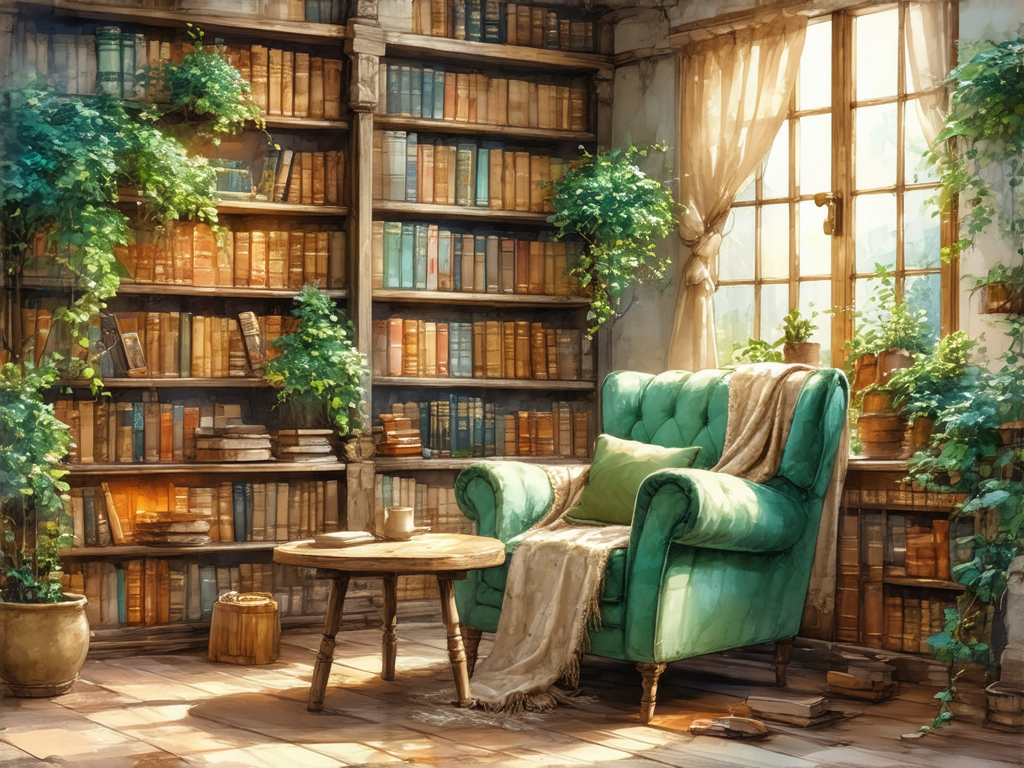
This example uses a cozy interior prompt designed to create a peaceful reading room. The final image includes a comfortable armchair, wooden bookshelves, indoor plants, warm window light, a soft blanket, and a small coffee table.
Prompt used
The prompt focuses on a clear interior scene. It does not try to describe every small object in the room. Instead, it gives the model a strong subject, a few important furniture details, lighting direction, and an overall peaceful mood.
a cozy reading room with a comfortable armchair, wooden bookshelf, warm window light, indoor plants, soft blanket, small coffee table, peaceful atmosphere, detailed interior design
Style setting
For this example, the Illustration style was selected. That style direction adds visual guidance such as “digital illustration,” “painterly,” “concept art,” and “soft shading.” These words help the result feel more like a polished illustrated scene rather than a photorealistic room.
Style: Illustration

Automatically added style direction:
digital illustration, painterly, concept art, soft shading
This is why the image has a warm, painterly look with softened edges and a hand-crafted feeling. The style setting supports the cozy mood of the prompt rather than competing with it.
Generation settings
The image was created in a 4:3 aspect ratio. This works well for interior scenes because it provides enough horizontal space for the chair, bookshelf, window, plants, and table without becoming too wide.
| Aspect ratio | 4:3 |
|---|---|
| Resolution | Standard |
| Steps | 30 |
| Randomness | Random |
| Selected style | Illustration |
| User negative prompt | None |
No custom negative prompt was entered for this example. However, the selected Illustration style automatically adds negative guidance to reduce photorealistic or low-quality output.
Automatically applied negative guidance:
photo, photorealistic, film still, low quality, worst quality, blurry, watermark, text
Prompt breakdown
This prompt works because each phrase adds a useful part of the scene. It gives the image model a clear subject, room type, lighting direction, and decorative details.
“a cozy reading room” tells the model the type of space to create and sets the overall theme.
“a comfortable armchair” gives the room a clear focal point and makes the scene feel inviting.
“wooden bookshelf” fills the background with a strong reading-room identity and adds texture.
“warm window light” creates a calm, sunny mood and helps the scene feel natural and welcoming.
“indoor plants,” “soft blanket,” and “small coffee table” add comfort and make the room feel lived-in.
“peaceful atmosphere” and “detailed interior design” guide the image toward a polished, relaxing result.
Why this prompt works
This prompt works because it describes a complete scene without becoming overloaded. It does not list too many objects. Instead, it chooses a few details that strongly communicate the idea of a cozy reading room.
The armchair gives the image a main subject. The bookshelf supports the reading theme. The window light controls the mood. The plants and blanket make the room feel warm and human. Together, these elements create a scene that is easy to understand.
Why 4:3 works well here
A 4:3 aspect ratio is a good choice for this type of interior image. It gives enough width to show the room, but it still keeps the chair and bookshelf close enough to feel cozy.
If this image were generated in a very wide format, the scene might feel more like a room panorama. If it were generated in a portrait format, the chair or window might become more dominant, while the bookshelf and surrounding details could feel more compressed.
Why warm window light was used
Lighting is especially important in cozy interior prompts. “Warm window light” suggests sunlight entering the room, soft shadows, and a peaceful daytime atmosphere.
This lighting phrase also works well with the Illustration style. It helps create a soft, painterly feeling and makes the plants, books, and chair feel more inviting.
Lighting phrase:
warm window light

Effect:
cozy mood, natural warmth, soft shadows, peaceful interior atmosphere
How the Illustration style changes the result
The Illustration style makes the image feel less like a photograph and more like a designed visual. This can be useful for guide images, storybook-like interiors, concept art, and gallery examples where mood matters more than strict realism.
In this example, the painterly style works well because the prompt already contains warm, soft, and peaceful ideas. The style setting reinforces those ideas and gives the final image a cohesive look.
Prompt variations to try
Once the basic prompt works, you can create variations by changing the time of day, lighting source, or interior style.
Night reading room
a cozy reading room at night with a comfortable armchair, wooden bookshelf, warm lamp light, indoor plants, soft blanket, small coffee table, peaceful atmosphere, detailed interior design
Morning natural light version
a cozy reading room in the morning, comfortable armchair near a window, wooden bookshelf, soft natural light, indoor plants, warm neutral colors, peaceful atmosphere, detailed interior design
Minimal cozy interior
a cozy minimalist reading room, comfortable armchair, simple wooden bookshelf, soft window light, indoor plants, warm neutral colors, calm atmosphere, clean interior design
Tips for writing similar prompts
For cozy interior prompts, start with the type of room and then choose a few strong details. Furniture, lighting, materials, and small decorative objects are usually enough.
room type + main furniture + material or background detail + lighting + small cozy objects + mood + style direction
For example, a reading room might include an armchair, bookshelf, window light, plants, and a blanket. A kitchen might include wooden counters, morning light, ceramic dishes, and a peaceful atmosphere. A bedroom might include soft bedding, warm lamps, curtains, and calm colors.
Final thoughts
This cozy interior example shows how a simple prompt can create a polished image when the subject, lighting, and style all support the same mood.
The most important phrases in this prompt are “cozy reading room,” “comfortable armchair,” “wooden bookshelf,” “warm window light,” and “peaceful atmosphere.” Together, they create a clear visual direction that works well with the Illustration style.